Your best applicant already watched a video about you before they applied. Maybe it was a clip on your Instagram. Maybe a colleague’s reel. Maybe nothing at all, which is its own problem. The point stands: people decide whether they want to work for you long before they send a CV, and an employer branding video is the single piece of content that decides it fastest. Not a job ad. Not a glossy careers page. A film of real people doing real work, talking like real humans.
I’m Timothée Kammies, a documentary-style Director of Photography near Karlsruhe. I make brand films for owner-led businesses across Baden-Württemberg and Bavaria. The skilled-labour shortage has turned recruiting into a marketing problem, and most companies are still answering it with the wrong tool. This post is about the right one — and why the documentary craft behind a credible brand film is exactly what recruiting content needs.
Why an Employer Branding Video Decides Your Next Hire
Hiring used to be a one-way filter. You posted a job, candidates applied, you chose. That market is gone. The good people you want — the ones who are already employed, already decent at their job, not desperate — are interviewing you as hard as you’re interviewing them. They have options. The deciding factor is rarely salary alone. It’s whether they can picture themselves in your building, on your team, surviving your Monday mornings.
The numbers back this up. Glassdoor’s own employer research found that 75% of active job seekers are likely to apply to a job if the employer actively manages its employer brand, and a 2022 Harris Poll survey for CareerArc (2,040 U.S. adults) found 58% of job seekers look up employer information on social media before applying. Read that again. The decision is happening on your feed, in your absence, while you’re busy doing actual work. A static careers page can’t answer the only question that matters: what does it actually feel like to work here?
Video answers it. CareerBuilder’s platform data shows job postings with video receive 34% more applications than postings without — and get viewed 12% more often. That gap isn’t a marketing trick. It’s the difference between telling someone your culture is collaborative and showing them a welder and an apprentice solving a problem together at 7am because that’s just how Tuesday goes.
The skilled-labour shortage made this urgent
Across Baden-Württemberg and Bavaria, the Mittelstand shares one quiet anxiety: winning the contract but not being able to staff the job. The Fachkräftemangel isn’t an abstraction in the Mittelstand — it’s an empty workbench, a delayed delivery, a founder doing a role three levels below their pay grade because the position has been open for nine months. When labour is the bottleneck, your recruiting content stops being a nice-to-have. It becomes the thing standing between you and growth.
Here’s the uncomfortable part. Most companies respond to this pressure by spending more on job ads, which is like buying a louder megaphone to say a boring sentence. The sentence is the problem. An employer branding video changes what you’re saying, not how loudly you say it.
What a Real Employer Branding Video Looks Like
Let me be specific, because “make an employer branding video” can mean two completely different things, and one of them is a waste of money.
The wasteful version: a polished corporate piece with a voiceover that says “our people are our greatest asset,” drone shots of the car park, and three employees in clean shirts delivering lines they clearly didn’t write. Everyone has seen a hundred of these. They blur together. They’re forgettable precisely because they’re trying so hard to be impressive. And candidates — especially good ones — have a finely tuned radar for performance. The moment something feels staged, trust evaporates. Trust is the entire currency of recruiting content, and “quality” here doesn’t mean expensive. It means credible.
The version that works: a documentary-style film built from real moments. Real employees, in their actual environment, talking about the work in their own words. The apprentice who didn’t expect to like it and now can’t imagine leaving. The team lead who explains, without being asked, why they stayed for twelve years. The founder admitting the job is hard and the days are long, and then showing you exactly why people choose to do it anyway. Honesty is more persuasive than polish. It always has been.
My approach: find the human truth, then point the camera at it
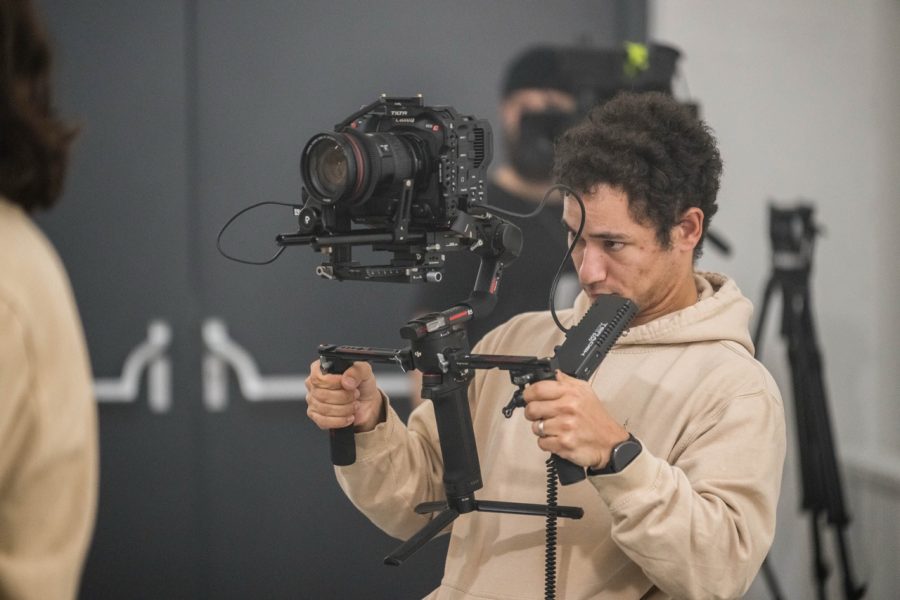
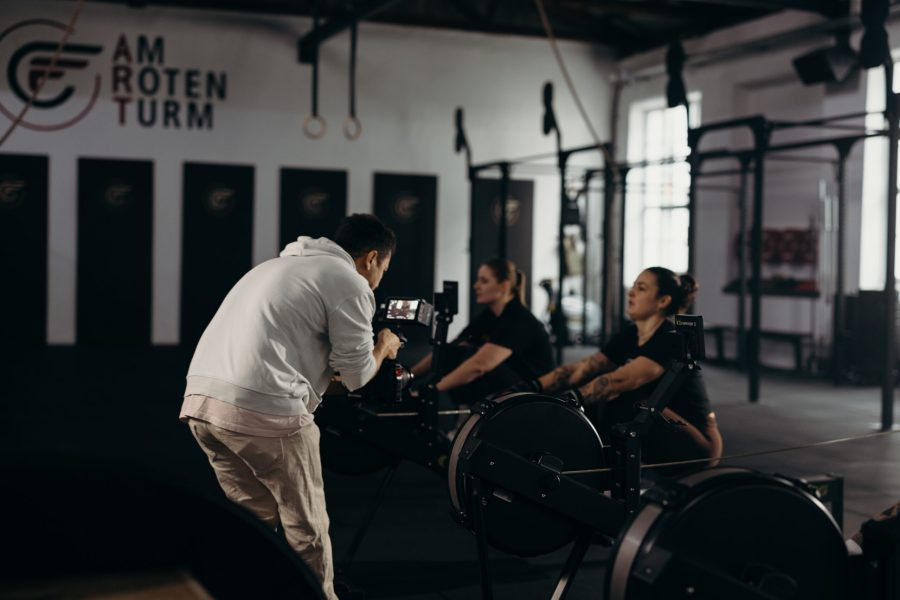
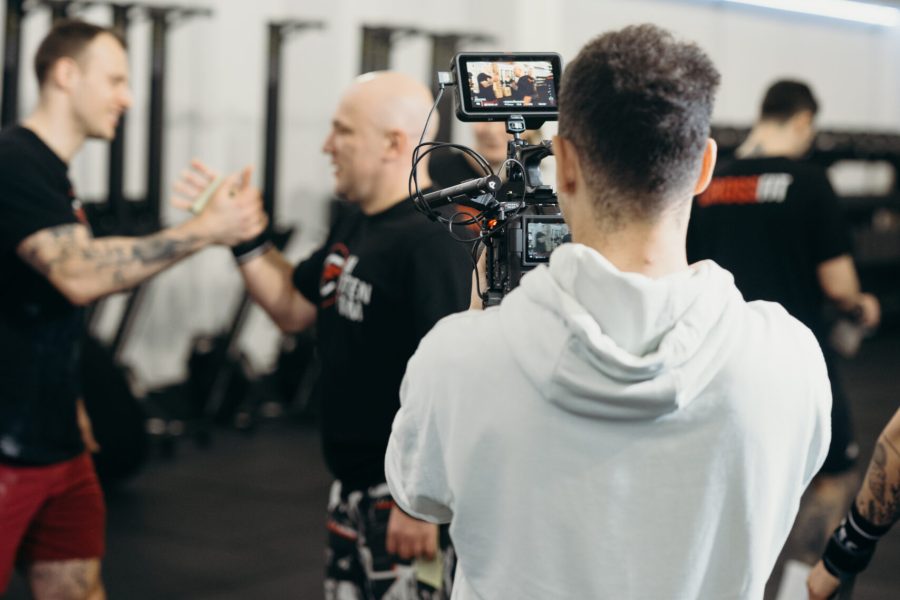
I don’t arrive with a script and ask people to perform it. I arrive with questions and a Canon C70, and I spend the first part of any shoot just listening. The best line in any brand film — and recruiting is no exception — is never the one a marketing manager wrote in advance. It’s the thing someone says when they forget the camera is there. My job is to create the conditions where that happens, then be ready to catch it.
That’s the documentary discipline. You shoot a lot, you wait for truth, and you cut ruthlessly in DaVinci Resolve until only the real moments remain. The result doesn’t feel like an ad. It feels like a window. And a candidate looking through that window can finally answer their own question: yes, I can see myself there — or no, I can’t. Both outcomes are valuable. You don’t want the people who’d be miserable on your team. A film honest enough to repel the wrong fit is doing its job.
One film, many uses
A well-made employer branding video isn’t one asset — it’s a system. The full three-minute film lives on your careers page and in interviews. The thirty-second cut of the apprentice’s story runs on Instagram and LinkedIn, where video posts already earn outsized engagement. A handful of vertical clips become the content you post in the weeks a role is open. You shoot once and you feed your recruiting for a year. For an owner-led business with no time to spare, that efficiency is the whole point.
What It Costs, and Why the Cheap Version Costs More
Budgets for professional brand and recruiting films in the German market generally run from a few thousand euros for a focused single-day piece up to fifteen thousand or more for a multi-location production with several story threads. Where you land depends on shoot days, number of people featured, locations, and how many edited cuts you need. I’ll give you a clear figure before anything is booked — no surprises, no creep.
The honest math, though, runs the other direction. A vacant skilled position in the Mittelstand quietly costs you in lost output, overtime, recruiter fees, and the slow burnout of the people covering the gap. Against months of that, a film that measurably shortens your time-to-hire isn’t an expense. It’s the cheapest way out of a problem that’s already costing you. In Wyzowl’s 2026 survey of video marketers, 82% say video marketing gives them good ROI — and recruiting video, tied directly to an open role, is one of the easiest places to feel that return.
The genuinely expensive option is the wrong film: a generic corporate piece that candidates scroll past, that ages badly, that you’re embarrassed to share within a year. That money is gone and the bench is still empty. If you’re going to film at all, film something true enough to work.
Why Regional Beats Generic in BW and Bavaria
There’s a reason I work where I work. A craftsperson in the Black Forest, a physiotherapy clinic in Stuttgart, a family manufacturer outside Munich — these aren’t interchangeable, and a recruiting film that could’ve been shot anywhere convinces no one. The candidates you want are local. They recognise the region, the accent, the specific texture of a Mittelstand workplace. Filming that authentically requires someone who understands it, not a crew flown in to apply a template.
My positioning is simple: I make documentary-style films for owner-led businesses across Baden-Württemberg and Bavaria, and the philosophy behind every one is the same — if it doesn’t feel real, it won’t work. That belief matters more for recruiting than for any other kind of brand film, because the audience is making a life decision, not a purchase. They will smell a lie instantly. So I don’t tell any. I find what’s already true about your workplace and I make it visible. If you want to see how this thinking plays out in brand storytelling more broadly, my piece on why a documentary-style brand film is the best investment covers the foundation, and if you’re weighing who should actually shoot it, the guide to choosing a video production company will save you a few expensive mistakes.