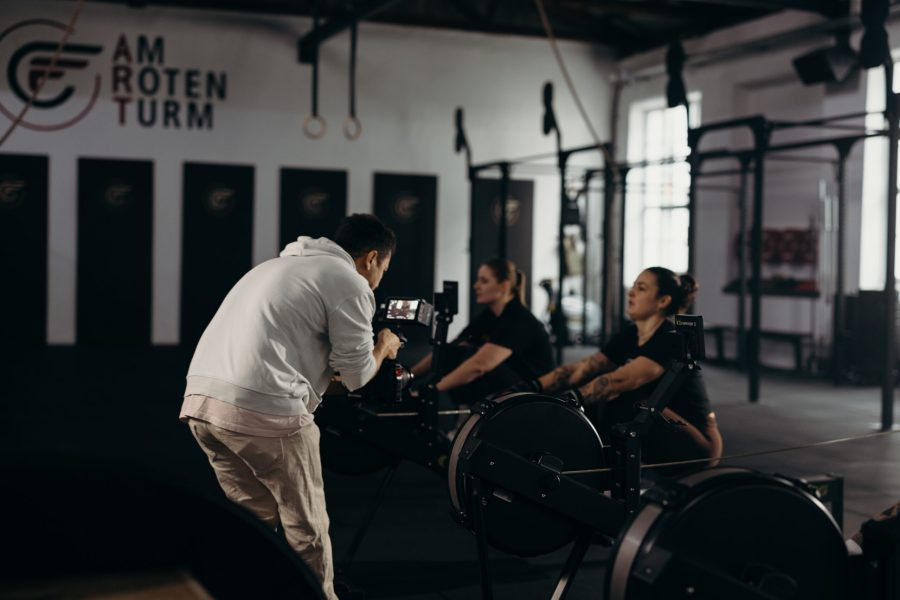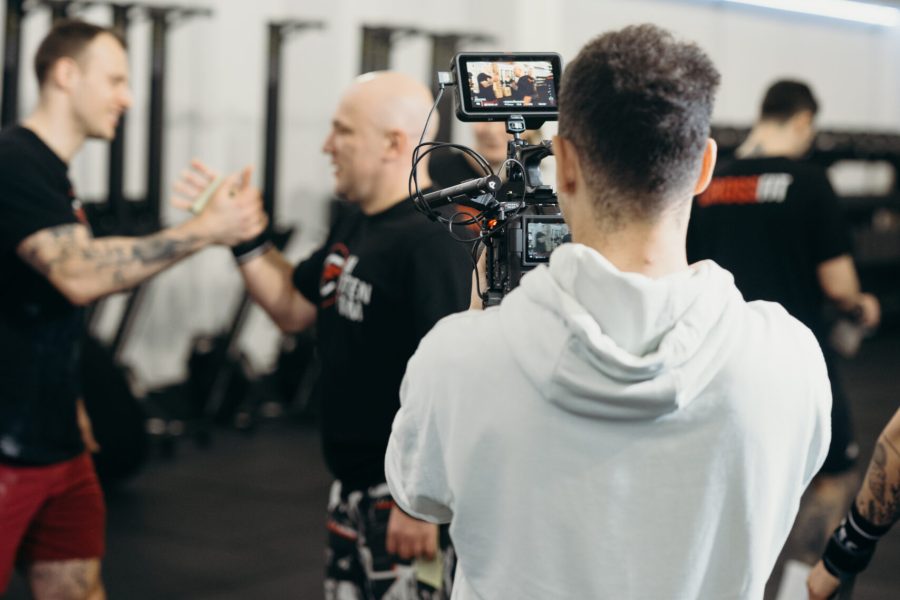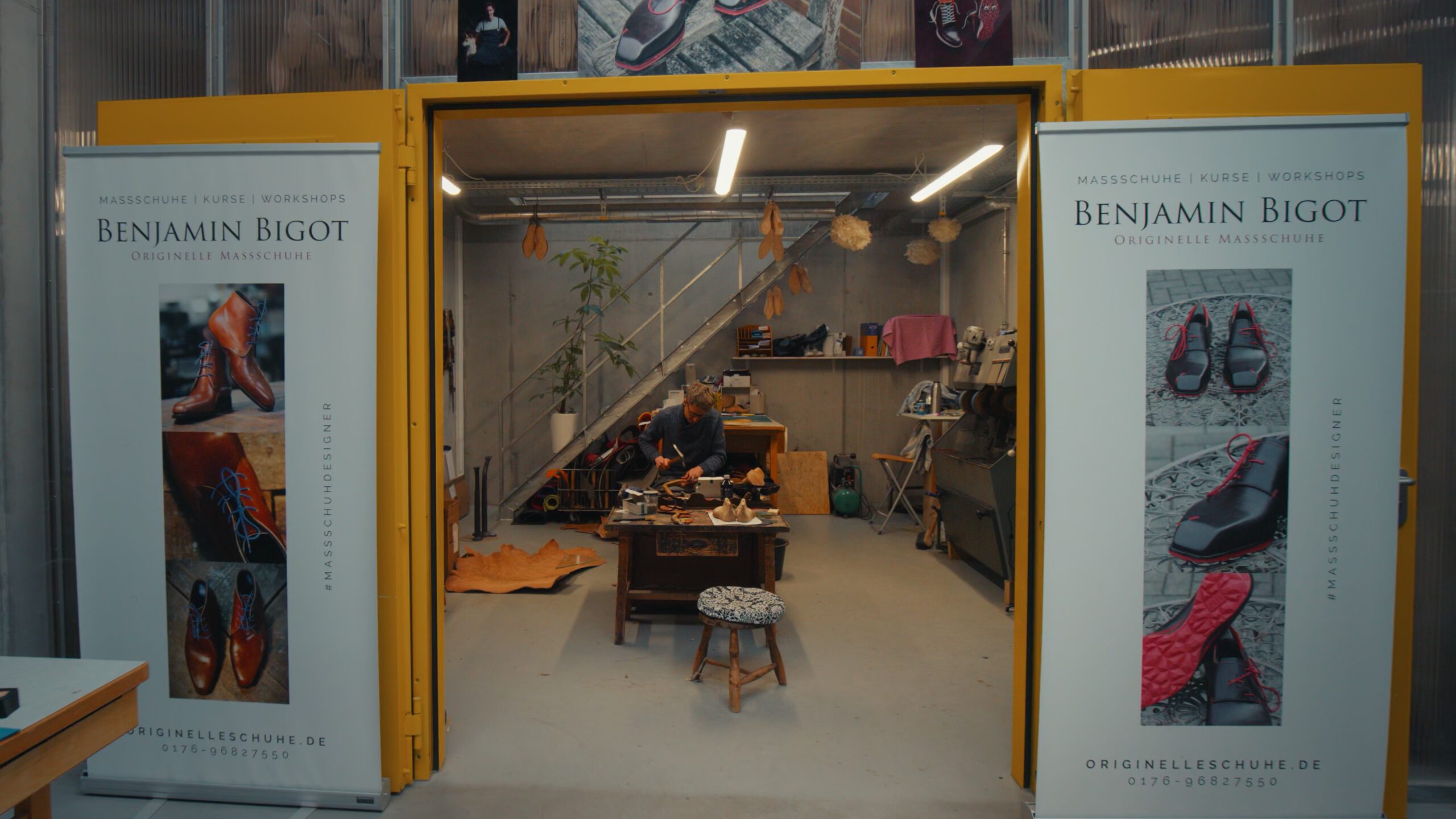
Most clients I work with have never been on a professional film set before. And that’s completely fine — it’s my job to make sure the day runs smoothly regardless. But there’s one thing I’ve noticed consistently over the years: the better a client understands what the day is going to look like before we arrive, the better the footage we come away with.
When people know what to expect, they’re less anxious. When they’re less anxious, they stop performing and start being themselves. And when they start being themselves, the camera captures something real. That’s when the work gets good.
So this post is the brief I’d give every client before we shoot together. It’s for anyone who’s considering commissioning a brand film, testimonial video, or documentary-style production — and wants to understand what a professional shoot day actually involves, from first light to final wrap.
Before the Day: The Prep That Makes Everything Else Work
A shoot day is the most visible part of a video production. It’s also, in many ways, the easiest part — because by the time we arrive, all the genuinely hard thinking should already be done.
Good production prep includes:
- A discovery conversation — understanding your business, your story, who your ideal viewer is, and what you want them to feel after watching
- Location scouting — visiting or reviewing your space to identify the best shooting areas, natural light windows, and any acoustic challenges
- Shot planning — a working list of scenes and moments to capture, built flexibly enough to adapt when something unexpected and better presents itself
- Subject preparation — a pre-shoot conversation with anyone appearing on camera, so they know what questions to expect and how the day will flow
The quality of this prep phase has a direct multiplying effect on everything that happens on the day. An under-prepped shoot day is expensive: you spend the first hour making decisions that should have been made the week before, and you leave without footage that you only realised you needed once you were in the edit.
Arrival and Setup: The First Hour
We typically arrive 60–90 minutes before any filming begins. This isn’t inefficiency — it’s intentional. Here’s what’s happening during setup:
Equipment check and layout
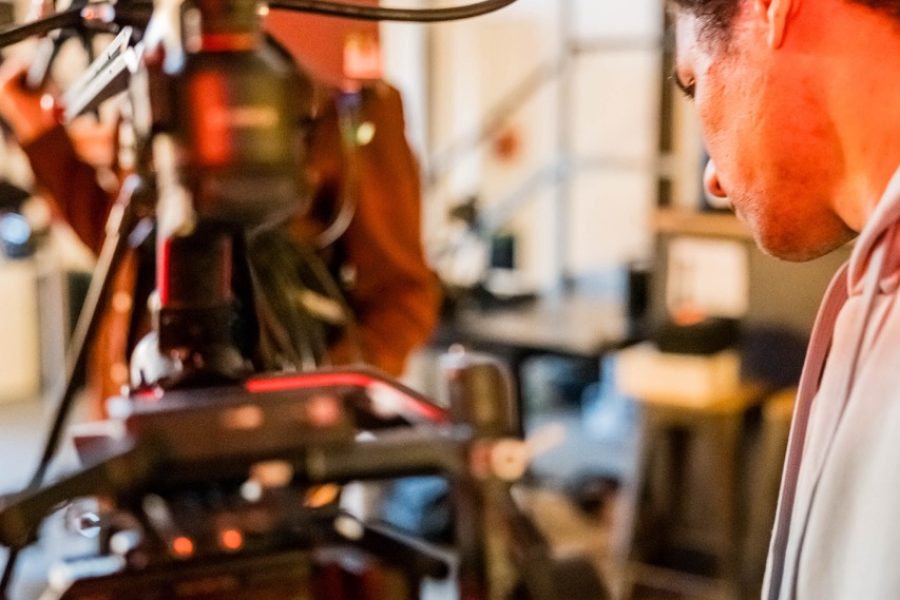
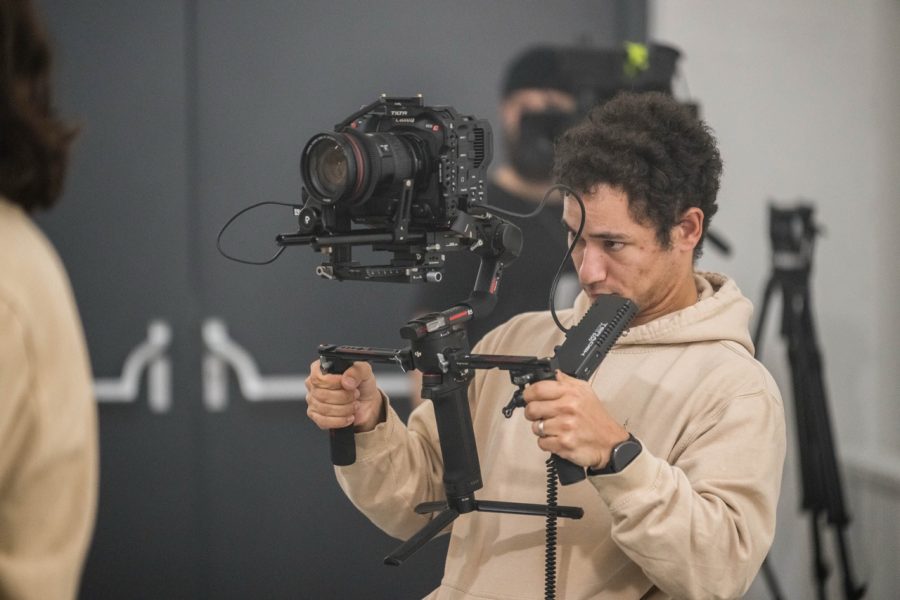
Cameras are powered up, lenses checked, audio equipment tested, lighting evaluated against the space. On a single-camera documentary-style shoot, the kit is typically lean: one or two cinema cameras, a wireless audio system, a portable LED light or two for fill, and a gimbal or tripod for movement. The point is control and flexibility, not spectacle.
Reading the space
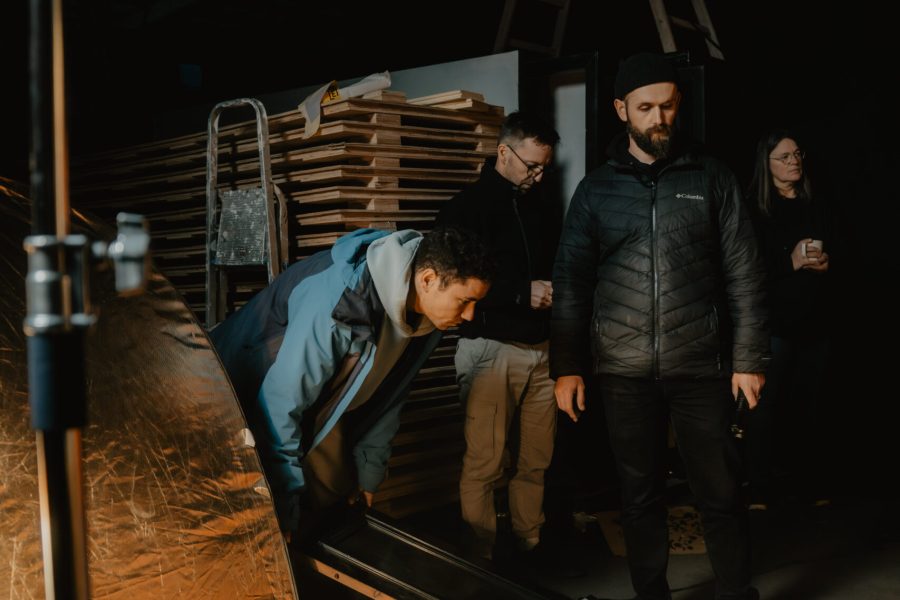
Every location has surprises. A room that looked ideal in the scout might have a refrigerator hum that will drive an editor insane. The window that was going to be perfect morning light has clouds in front of it. The corridor that seemed too narrow is actually gorgeous. The first hour on set is partly logistics and partly a live creative reassessment of the environment.
Meeting the people
This is arguably the most important part of setup, and the one most people don’t think of as setup at all. The twenty minutes before filming, spent talking with the subject over a coffee about something entirely unrelated to the film, is some of the most valuable production time of the day. When someone feels comfortable with the person behind the camera, their entire body language changes. That comfort shows on screen.
The Interview: How Documentary-Style Filming Actually Works
For most brand films and testimonial productions, the interview is the spine of the content. Everything else — the B-roll, the environment shots, the hands-at-work footage — is built around it in the edit.
Here’s what the interview process looks like on a tkammies shoot:
No script. Ever.
Scripted interviews produce scripted answers. Scripted answers produce the glazed, vaguely corporate quality that makes a viewer’s attention start drifting. Instead, I work from a set of open questions designed to draw out the genuine story — questions that invite reflection rather than recitation.
The warmup questions
The first few questions are never the questions I actually need. They’re there to get someone used to the rhythm of speaking on camera, to hear their own voice in the space, to realise nothing terrible is happening. By the time we get to the questions that matter, the subject has forgotten to be nervous.
Following the unexpected
The best documentary moments are rarely the answers to the questions you planned. They’re the things someone says between answers — the offhand observation, the half-laugh, the moment of genuine feeling that surfaces when someone stops trying to say the right thing and just says the true thing. A good director listens for these and follows them.
Multiple passes
For key questions, we’ll often ask the same thing two or three different ways. Not because the first answer was wrong, but because the third answer is often the one where the subject has relaxed enough to say it simply and directly. Simplicity and directness are what cut together well in an edit.
B-Roll: Where the Visual Story Is Built
B-roll is every shot that isn’t the talking head. It’s the footage that runs while the interview audio plays — hands working, environments, textures, expressions, objects. It’s what makes a brand film feel cinematic rather than like a recorded presentation.
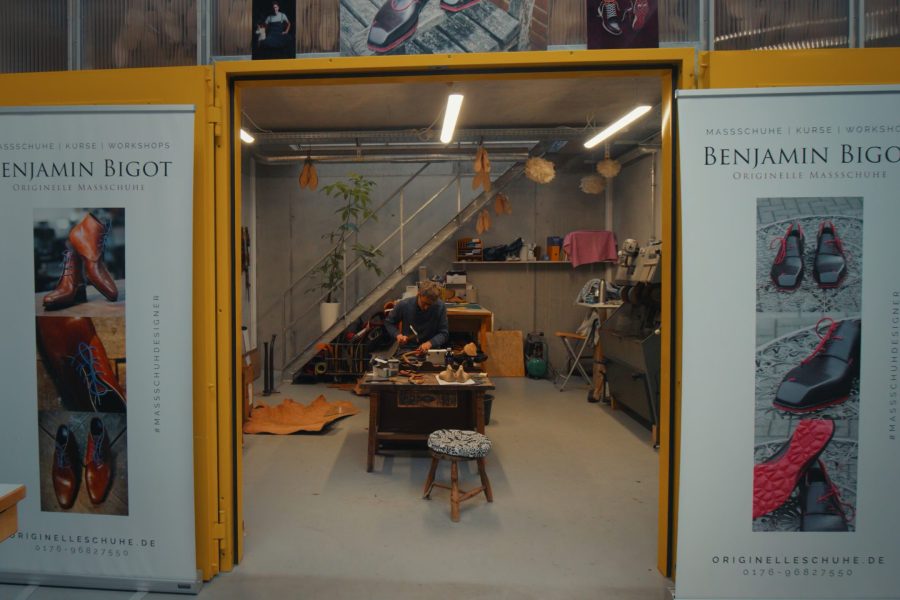
On a documentary-style shoot, B-roll collection is largely observational. We’re not staging scenes or asking people to do things for the camera that they wouldn’t naturally do. We’re following what’s already happening and finding the frames within it.
What I’m looking for during B-roll:
- Texture and craft — close-ups of hands, materials, tools, the physical evidence of skill
- Expressions in context — the face of someone concentrating, talking with a colleague, laughing about something real
- Scale and environment — wide establishing shots that orient the viewer, show the space, communicate the world this person inhabits
- Transition moments — walking, arriving, leaving, the in-between that gives the editor rhythm and breathing room
I always shoot significantly more B-roll than I think I’ll need. The edit always needs more than you expect, and running out of options in post-production with no option to reshoot is one of the most frustrating positions an editor can be in.
The Rhythm of the Day
A typical single-day brand film or testimonial shoot moves in rough phases:
07:30–09:00 — Arrival, setup, location check, first coffee with client/subject
09:00–11:30 — Main interview(s), warmup to core questions
11:30–12:00 — Break, review of what’s been captured, adjust plan if needed
12:00–15:00 — B-roll collection, environment shots, process footage
15:00–16:30 — Additional interview material if needed, pickup shots, anything the morning revealed as missing
16:30–17:30 — Pack down, final checks, end-of-day conversation about what was captured
The structure is a guide, not a rule. Documentary-style work means staying responsive to what the day offers — if something extraordinary is happening at 14:00, we’re there with a camera, not walking to the next scheduled item on the list.
What You Need to Do to Prepare
The single most important preparation isn’t logistical. It’s mental. On the day, do your normal work. Don’t clean up the space so thoroughly that it looks like a showroom rather than a working environment. Don’t coach your staff on what to say or how to behave — the camera spots performance instantly.
Beyond that:
✅ Clear a rough time block — we’ll agree a schedule in advance, but buffer around it
✅ Wear what you’d normally wear at work (no logos of other brands though)
✅ Have a couple of normal tasks or activities ready to do during B-roll time — we’ll capture you actually working, not standing and looking purposeful
✅ Let your team know a shoot is happening so nobody is surprised — but don’t direct them
✅ Trust the process — you hired a professional to make this good. Let them do it
After the Day: What Happens in Post
The shoot day generates the raw material. What happens next is where the story is actually built.
Post-production on a tkammies project typically runs two to three weeks and involves:
- Assembly cut — a rough first cut that establishes the narrative structure, usually shared early for direction feedback
- Fine cut — the story tightened, pacing refined, interview and B-roll woven together
- Music — licensed original music that serves the tone and doesn’t fight it (no dramatic drone swells unless the brief actually calls for drama)
- Colour grade — the visual tone of the film made consistent, cinematic, and consistent with the brand
- Sound design and mix — audio levels balanced, ambient sound layered in, music brought under dialogue at the right moments
- Delivery — master file plus platform-optimised exports: web, social cuts, and a 15-second teaser
You’ll see a first cut before any finishing work is done. That’s the moment for structural feedback — if a section isn’t working, we address it before investing time in colour and sound. By the final cut, you’re typically making micro adjustments, not rebuilding.